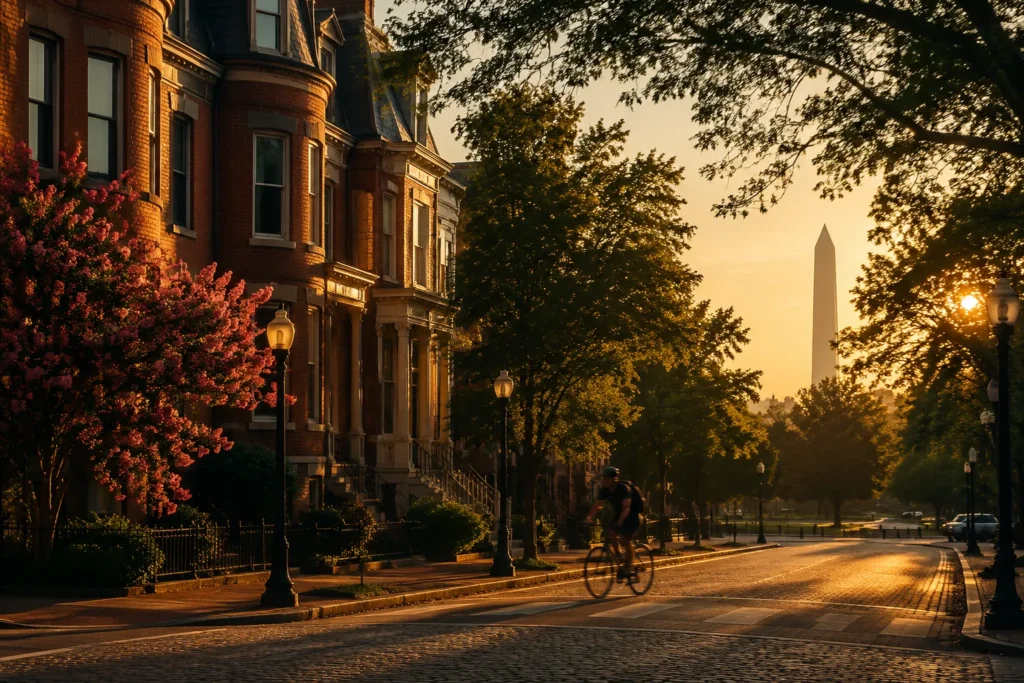
A well-planned Washington DC trip rarely lives inside a single booking confirmation. Between choosing a hotel near Logan Circle, planning a National Mall walk, checking museum hours, finding restaurants, and reviewing transit conditions, visitors often move between several different websites before arriving in the city.
Juso World can serve as one supporting tool in that research process, offering a category-based starting point for discovering broader online resources without replacing official Washington DC tourism, transportation, or attraction websites.
This guide explains how to combine trusted local sources with organized online directories so that more time in Washington DC can be spent exploring the city rather than troubleshooting travel logistics.
Planning a DC Trip Beyond the Hotel Booking
Reserving a room is only the beginning of a Washington DC itinerary.
Most visitors also need to research:
- Attraction hours and reservations for museums, monuments, and government buildings
- Public transportation for Metrorail, Metrobus, walking, and bicycle routes
- Dining options around Logan Circle, Dupont Circle, and nearby neighborhoods
- Weather conditions that may affect outdoor and indoor activities
- Cultural events including theater, exhibitions, performances, and neighborhood festivals
- Local maps and navigation tools for moving efficiently between different parts of the city
Because this information is distributed across separate platforms, it helps to begin with authoritative sources and then use broader discovery tools to find additional resources.
Exploring Logan Circle and Nearby Washington DC Neighborhoods
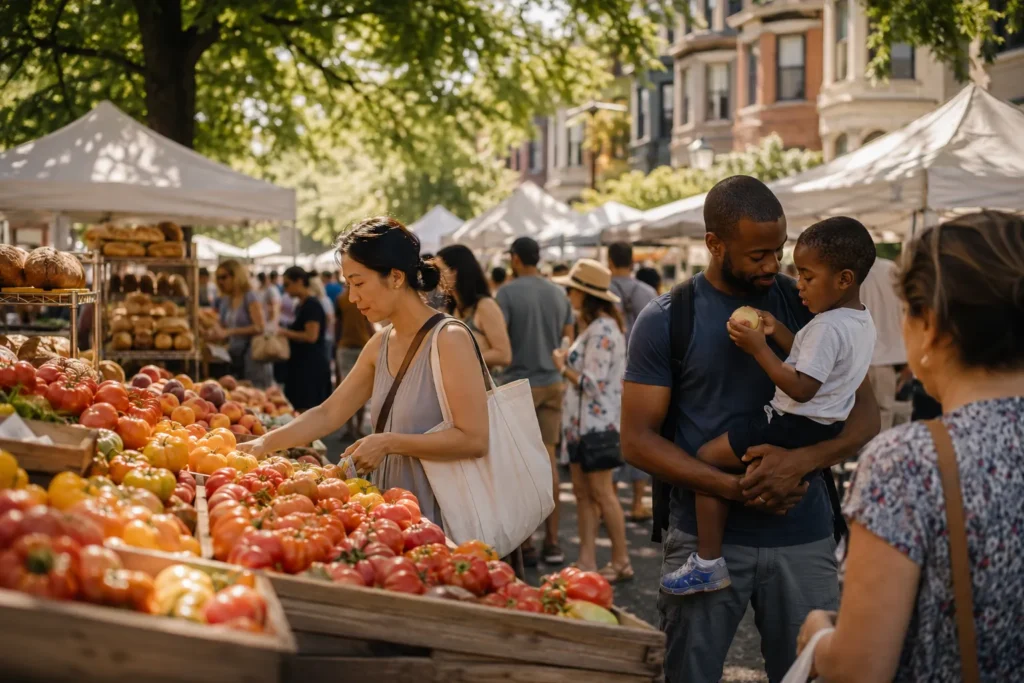
A central Washington DC stay makes it possible to explore several distinct neighborhoods without traveling far.
Logan Circle and 14th Street
Logan Circle is known for its historic residential architecture and its proximity to the busy 14th Street corridor.
The surrounding area includes restaurants, cafés, boutiques, nightlife, and performing arts venues. Studio Theatre, founded in 1978, remains part of the neighborhood’s established cultural scene.
For visitors staying nearby, the area provides an easy starting point for exploring both residential Washington and the city’s more active dining and entertainment districts.
Dupont Circle
Dupont Circle combines international dining, independent shops, cultural institutions, and the diplomatic character of nearby Embassy Row.
The neighborhood is connected by Metrorail and bicycle-sharing options, making it a practical base for exploring central Washington.
Visitors may also encounter cultural attractions such as The Phillips Collection, seasonal and weekly markets, restaurants, cafés, and public spaces around the circle itself.
U Street, the White House, and the National Mall
U Street is closely associated with Washington’s music and cultural history, while the White House and National Mall attract visitors interested in national landmarks, museums, and monuments.
These destinations require different types of planning because opening hours, security procedures, entry requirements, and reservation systems can vary.
Checking each official destination website before visiting is therefore more reliable than depending on a single general travel page.
Finding Official Washington DC Travel Information
For information that directly affects a trip, official websites should come first.
Useful primary sources include:
- Official Washington DC tourism resources
- WMATA for Metrorail and Metrobus information
- Smithsonian and individual museum websites
- National Park Service information for monuments and memorials
- Official government visitor information
- Individual restaurant, theater, hotel, and attraction websites
These sources are especially important when checking:
- Opening and closing hours
- Timed-entry requirements
- Ticket availability
- Security procedures
- Transit disruptions
- Accessibility information
- Temporary closures
- Reservation and cancellation policies
Third-party travel websites can be useful for discovery and comparison, but critical details should be confirmed directly with the organization responsible for the service.
Why Travel Information Is Spread Across So Many Websites
Washington DC travel planning involves many independent organizations.
Museums manage their own exhibitions and entry policies. Transit agencies publish transportation updates. Restaurants and theaters use separate reservation systems. Local media cover events, while neighborhood organizations publish community-specific information.
This creates a fragmented research process.
A visitor may need one website for transportation, another for a museum reservation, another for restaurant information, and several more for neighborhood events or cultural recommendations.
Search engines help locate these resources, but they can also surface:
- Older pages that are no longer current
- Outdated event listings
- Similar-looking domains
- Archived information
- Third-party booking pages
- Pages that rank well but lack current details
Using several discovery methods can make the research process more efficient.
What Is Juso World?
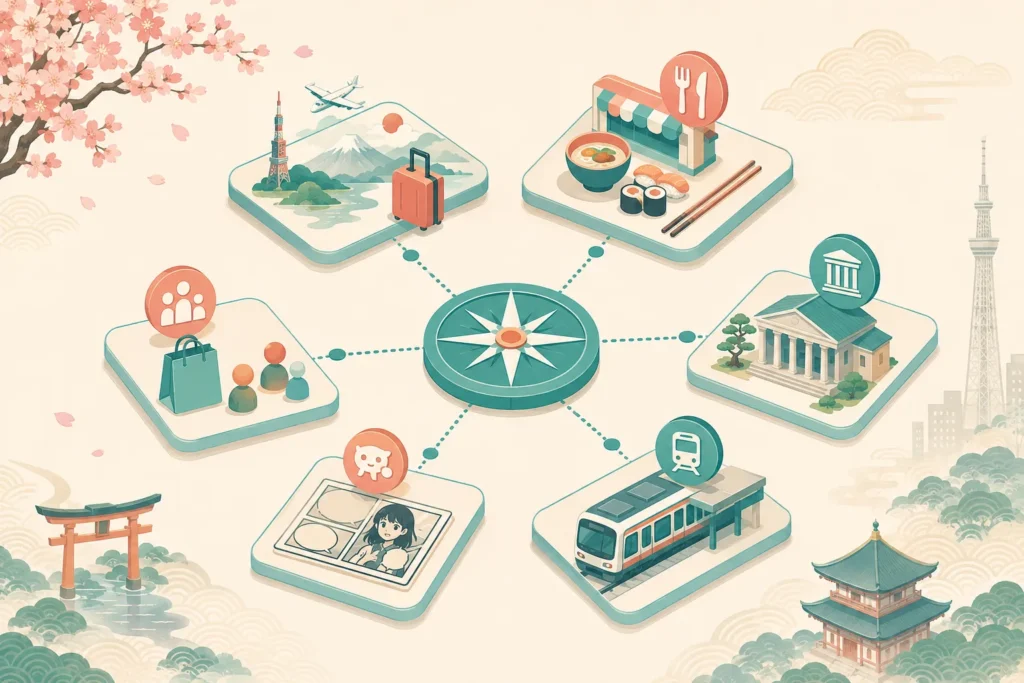
The 주소월드 바로가기 is a category-based directory designed to help users browse different types of websites from one organized starting point.
Rather than functioning as a hotel booking engine, official tourism portal, or transportation service, it can be used to explore broader categories of online resources.
For travelers, this may include websites related to:
- Travel and lifestyle
- News and information
- Culture and entertainment
- Online communities
- Digital tools
- Media and publications
Its role is primarily discovery.
A traveler may use a directory to find a relevant website and then continue directly to the destination site for detailed information.
The directory should not be treated as a replacement for official tourism, transit, museum, hotel, or reservation websites. External destinations should always be evaluated individually before relying on their information.
Using a Website Directory Alongside Official DC Resources
A practical online research process can follow a simple order.
1. Start With Official Sources
Use official tourism, transit, museum, government, and venue websites when information affects your schedule or reservation.
These should be the primary sources for operating hours, transportation changes, tickets, and entry requirements.
2. Confirm Reservations Directly
Hotels, restaurants, theaters, tours, and attractions should normally be booked through their official websites or established reservation systems.
Always review cancellation and refund conditions before paying.
3. Explore Broader Online Resources
When researching neighborhoods, cultural interests, local publications, community discussions, or lifestyle topics, a category-based directory can help surface additional websites.
Juso World can be used as one such discovery point alongside search engines, travel guides, maps, and local media.
4. Cross-Check Important Information
Any detail involving money, travel dates, admission, transportation, or personal information should be confirmed with the responsible organization.
A directory can help you discover a website. The official operator of that website remains the appropriate source for reservations, policies, and current facts.
Useful Online Resources During a Washington DC Stay
Travel research does not need to stop once the hotel is booked.
Different types of online resources can support different parts of a trip.
Travel and Neighborhood Guides
These can help visitors understand the character of Logan Circle, Dupont Circle, U Street, Georgetown, Capitol Hill, and other areas before deciding where to spend time.
Local News and Community Resources
Local publications and community websites may provide information about temporary events, neighborhood changes, festivals, exhibitions, and other developments.
Museums, Theaters, and Cultural Calendars
Washington DC has a large concentration of museums, galleries, theaters, music venues, and cultural institutions.
Checking event calendars before arrival can help visitors build an itinerary around temporary exhibitions or performances.
Transportation, Maps, and Weather Tools
Transit maps, navigation services, bicycle information, weather forecasts, and walking-route tools can make daily planning easier.
Restaurant and Event Discovery Websites
These resources can help narrow down dining and entertainment options, although reservations and current operating details should still be confirmed directly.
Organized directories can complement these resources by making it easier to move between different categories of websites without relying on a single type of search.
Safety Checks Before Using an External Website
Whether a link comes from a directory, search engine, social media post, or travel blog, the same basic checks apply.
Check the Domain
Read the domain carefully and watch for misspellings, substituted characters, or unusual variations of familiar names.
Confirm HTTPS
A secure HTTPS connection protects information transmitted between the browser and website.
However, HTTPS alone does not prove that a website is trustworthy.
Check the Publication or Update Date
Travel information can become outdated quickly.
Look for recent updates when researching schedules, prices, transportation, exhibitions, or local events.
Identify the Operator
Legitimate services should make it reasonably clear who operates the website.
Look for About, Contact, Terms, or business information pages.주소모음
Review Reservation and Refund Conditions
Before entering payment details, check:
- Cancellation terms
- Refund policies
- Additional fees
- Reservation conditions
- Contact information
Be Careful With Redirects and Downloads
Repeated redirects, unexpected pop-ups, or requests to install unknown software should be treated cautiously.
These checks are especially important when using unfamiliar booking sites or entering personal information.
Washington DC Travel Planning Checklist
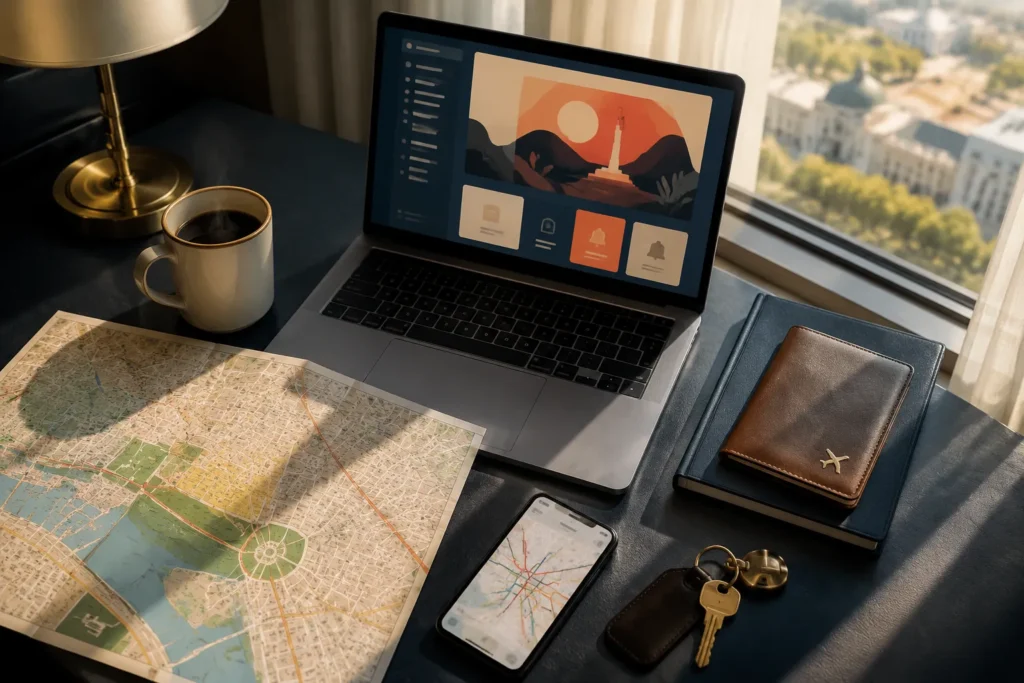
Before arriving in Washington DC, check the following:
- Hotel details
Confirm the current address, check-in time, check-out time, parking options, and cancellation conditions. - Airport or station transportation
Plan how to travel from the airport, Union Station, or another arrival point to your accommodation. - Public transportation
Review current Metrorail and Metrobus information before travel. - Major attractions
Check whether museums, monuments, government buildings, or tours require reservations. - Restaurants
Reserve popular restaurants in advance when necessary. - Cultural events
Review theater, museum, music, and neighborhood calendars. - Weather
Check the forecast shortly before departure and adjust outdoor plans accordingly. - Walking distances
Washington DC attractions may appear close together on a map but can still involve significant walking. - Current operating information
Recheck important websites shortly before visiting in case schedules or policies have changed. - Useful online resources
Bookmark official sources first and supplement them with maps, travel guides, local publications, and directories.